Conveyor Belt Covers Built for the Toughest Industrial Environments!
Custom Covers for Any Belt Widths 18″ to 96″ – Shipped in 1-2 Weeks – Made in the USA
RPS Engineering manufactures custom conveyor belt covers for the most demanding environments — from quarries and mining operations to food processing and cement plants. Our conveyor belt covers ship in 1–2 weeks, built to your exact specifications. Made in the USA!
What Sets Us Apart:
- Our conveyor belt covers fit belt widths from 18″ to 96″
- 5 material options: Galvanized steel, stainless steel, aluminum, fiberglass (FRP), or painted
- Full or 3/4 coverage configurations to match your application and budget
- Idler spacing from 3′ to 5′ with custom spacing available
- Trusted by operations across the USA, Mexico and Canada
- Company history – Celebrated our 50th Anniversary
Our in-house team works directly with you to design conveyor cover systems tailored to your belt width, idler spacing, site conditions, and installation requirements — whether you need 10 covers or 1,000. To learn more about RPS go here.
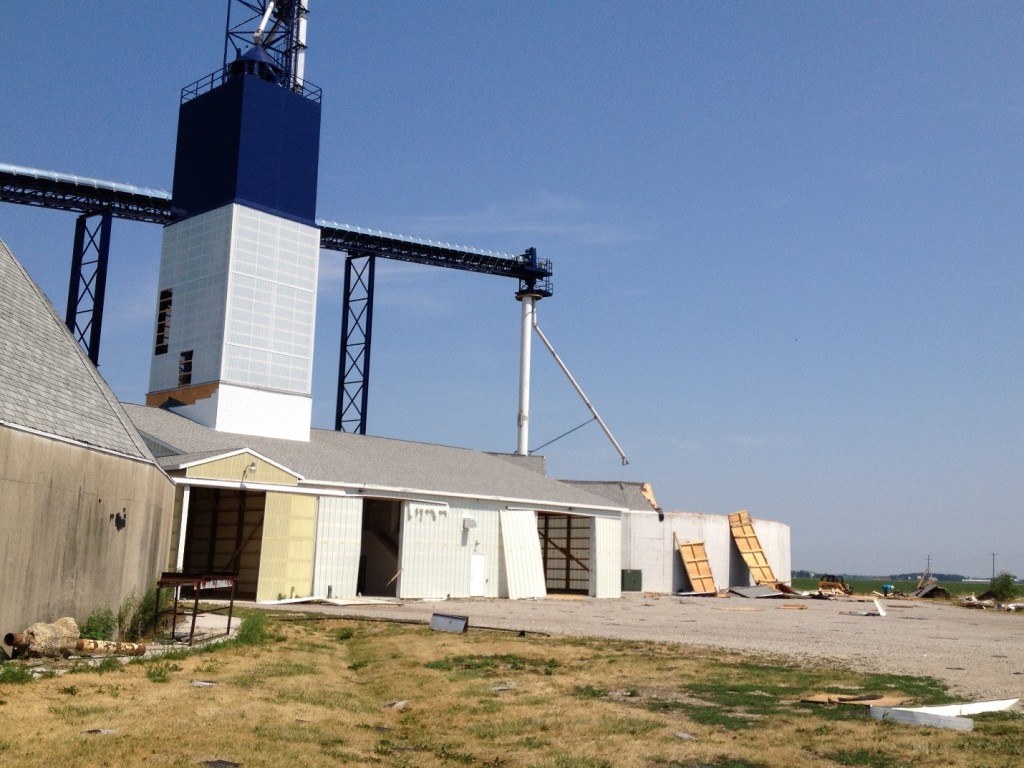
“Latty, OH had 90 MPH straight line winds and as you can see it caused some damage, but the conveyor and the RPS Covers were undamaged.”
CH Series
Full Smooth Cover
- 180° full coverage
- Hinged with locking retaining bar
- 22 ga. G-90 galvanized steel
- Belt widths 18″ – 96″
The go-to conveyor belt cover for aggregate, mining, and bulk material handling. Fully enclosed, opens without tools for fast inspections.
CH-75 Series
¾ Smooth Cover
- 135° ¾ coverage
- Fixed 45° open side
- 22 ga. G-90 galvanized steel
- Belt widths 18″ – 96″
Constant at-a-glance belt visibility without removing covers. Ideal where routine monitoring is part of daily operations.
CHCO Series
Full Corrugated Cover
- 180° full coverage
- Perpendicular corrugations
- 20 ga. G-90 galvanized steel
- Belt widths 18″ – 96″
Greater structural rigidity than smooth covers. The right conveyor belt cover for cement plants, quarries, and high-vibration environments.
CHCS Series
¾ Corrugated Cover
- 135° ¾ coverage
- Perpendicular corrugations
- 20 ga. G-90 galvanized steel
- Belt widths 18″ – 96″
Corrugated rigidity with open-side access. Best of both worlds for dusty or high-impact environments where you still need belt visibility.
CHLC Series
¾ Longitudinal Corrugated
- 135° ¾ coverage
- Parallel corrugations
- 24 ga. G-90 galvanized steel
- Belt widths 18″ – 84″
Engineered for long overland conveyors. Lightweight, economical conveyor belt cover that sheds wind and weather across extended runs.
CHFG Series
Fiberglass (FRP) Cover
- 180° full coverage
- .090″ fiberglass + SS bands
- Type 304 stainless steel hardware
- Belt widths 18″ – 72″
When metal covers fail, this fiberglass conveyor belt cover holds up. Built for salt, fertilizer, chemical, and coastal applications.
Request a Quote
Frequently Asked Questions About Conveyor Covers
What are conveyor belt covers used for?
Conveyor covers protect bulk material on moving belts from wind, rain, snow, and contamination — while also containing dust and spillage that can create environmental and safety hazards. They’re used wherever an uncovered belt would expose material to the elements, create fugitive dust, or pose a regulatory compliance risk. RPS Covers help with EPA environmental standards as well.
Why Engineers Specify RPS Conveyor Belt Covers
From standard galvanized steel to corrosion-resistant fiberglass, our conveyor belt covers are engineered to fit belt widths 18″ to 96″ and withstand the harshest outdoor conditions. Every cover is custom-built in Elgin, Illinois — no offshore manufacturing, no long lead times.
How do the Conveyor Covers help with workplace safety?
Conveyor covers also play a role in reducing fugitive dust and improving workplace safety. For facilities handling bulk materials, managing airborne dust is critical to compliance with guidelines from organizations like Occupational Safety and Health Administration (OSHA).
What sizes of conveyor covers are available?
RPS Engineering manufactures conveyor belt covers for belt widths from 18″ to 96″, including large-belt configurations that most manufacturers don’t offer. Idler spacing from 3′ to 5′ is standard, with custom spacing available. If you have an unusual belt width or non-standard spacing, contact our design team — we build to your exact specifications.
Are there discounts for large orders with RPS?
Since all our orders are custom made, we are able to negotiate discounts for large orders. Contact our quoting department to learn more about our pricing and discounts. Feel free to contact Linda or Gina directly at 847-931-1950.
What materials are available for conveyor covers?
We offer five material options: galvanized steel, stainless steel, aluminum, fiberglass reinforced plastic (FRP), and painted steel. The right choice depends on your environment, budget, and the materials being conveyed. For corrosive applications such as salt, fertilizer, or chemicals, we recommend our FRP or stainless steel options.
Can conveyor covers be customized for existing conveyors?
Yes. RPS covers are custom-built to fit your existing belt width, idler spacing, and structural conditions. Whether you’re retrofitting an aging system or specifying covers for a new installation, our design team works directly with you to ensure a proper fit — no matter the manufacturer of your conveyor.
Are conveyor covers suitable for outdoor or corrosive environments?
Absolutely. Our covers are designed for demanding outdoor conditions including high winds, heavy precipitation, and temperature extremes. For highly corrosive environments — such as coastal facilities, fertilizer plants, or chemical processing operations — we offer fiberglass (FRP) and stainless steel options that resist rust and chemical degradation far longer than standard steel. Contact our experts for any questions and warranties for your project.
Do conveyor covers help with dust control and environmental compliance?
Yes, and this is one of the most common reasons customers come to us. Conveyor covers significantly reduce fugitive dust emissions, helping operations meet EPA and OSHA regulations as well as local air quality standards. Enclosed belt systems also reduce material loss during transport, which can translate directly to cost savings over time.
What industries commonly use conveyor belt covers?
Conveyor covers are used wherever bulk materials are transported on open belts. RPS serves a wide range of industries including mining and aggregate operations, cement and concrete plants, bulk material handling terminals, ports and intermodal facilities, food processing plants, and wastewater treatment facilities. If your operation moves material on a belt, there’s likely a cover solution that fits.
How do I specify the correct conveyor cover system?
To specify the right cover, you’ll need your belt width, idler spacing, and a sense of the environmental conditions at your site. Material type expected wind and weather exposure, and whether you need hinged access are also important factors. If you’re unsure, our design team can walk you through the selection process — just reach out via the contact form or call us at 847-931-1950. Our experts will guide you on other RPS cover options such as wind guards, skirts and brackets.
We got you covered!
How do I request a quote or technical assistance?
Ready to protect your conveyor belt system? Request a quote for custom conveyor belt covers by emailing coversales@rpsengineering.com or calling 847-931-1950. Most conveyor belt covers ship within 1–2 weeks of order confirmation.
How are conveyor covers installed?
RPS conveyor belt covers are designed for straightforward field installation by your maintenance crew. Each cover system includes detailed installation instructions, and our team is available to answer technical questions throughout the process. For large or complex installations, we recommend reviewing our Installation Instructions page before beginning.